
Each Agent monitors one control against the criteria, thresholds, and guardrails you set, reviews the evidence as it arrives, and brings your team in only when something needs their judgment.



























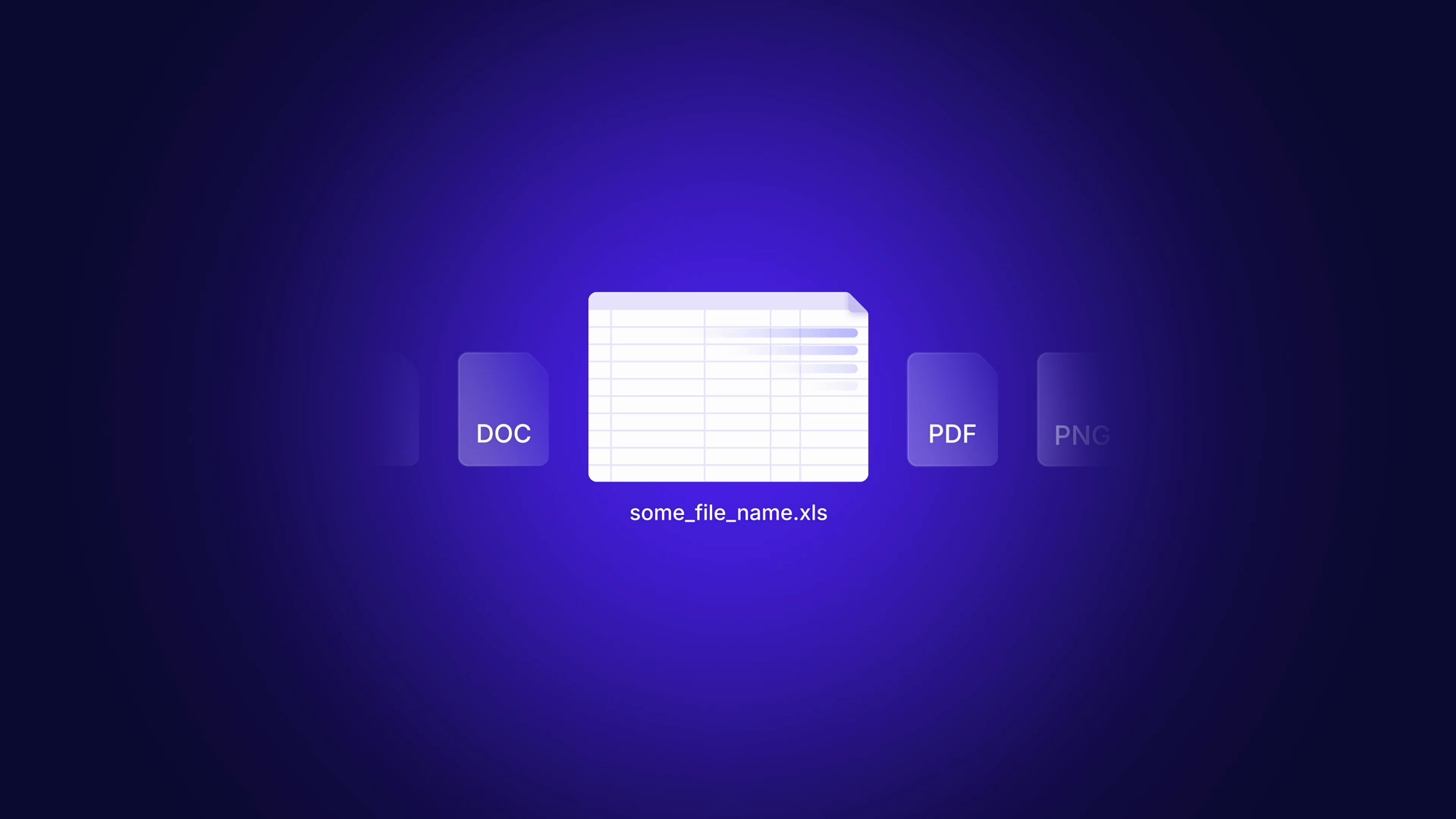
Screenshots, exports, logs, or documents. Your AI Agents read what lands, whatever form it takes, and flag the risk in it before it reaches the wider organization.
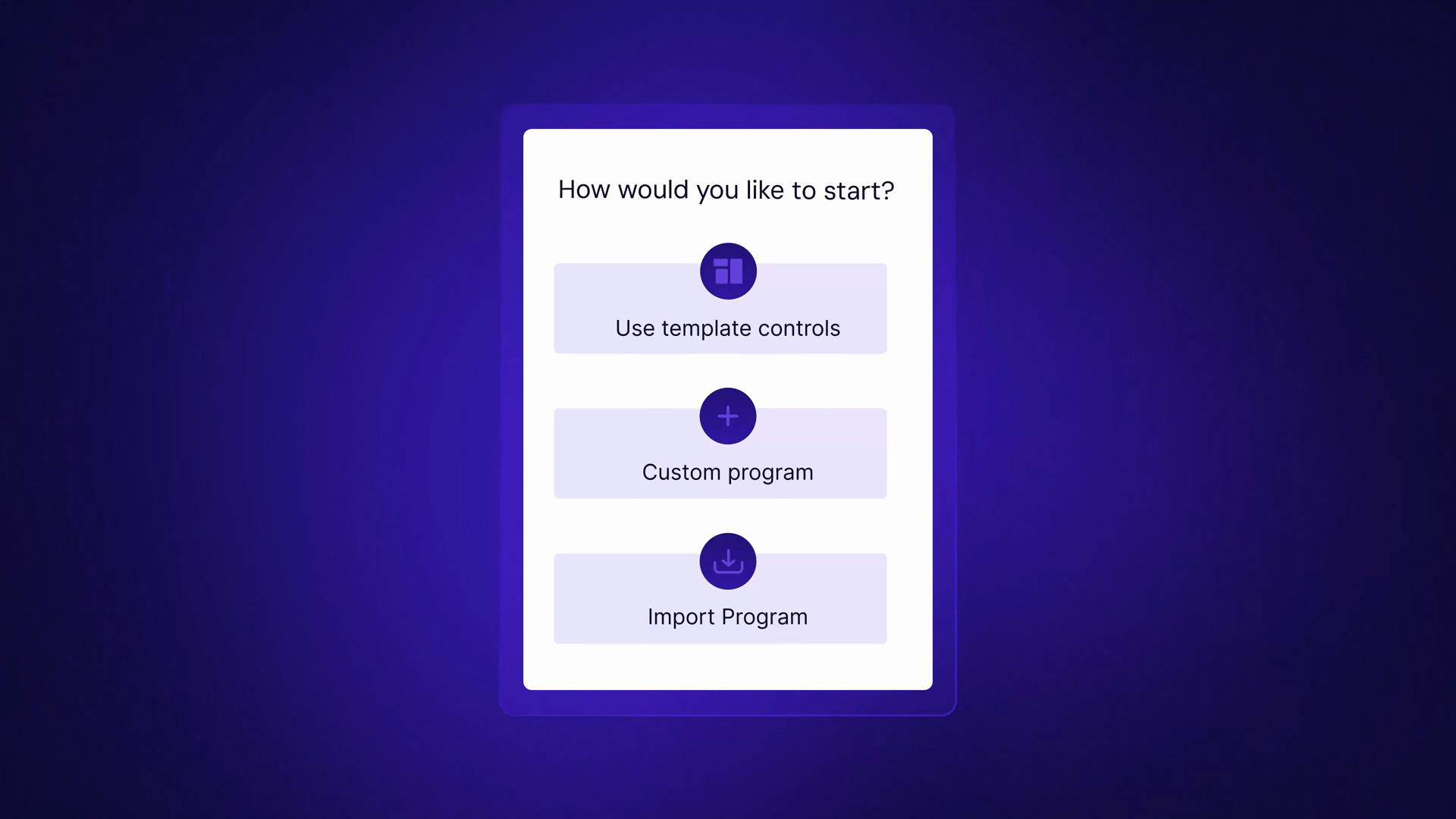
Use our auditor-drafted control templates, build a custom program, or import what you already run. Then tell us what each AI Agent should check for.
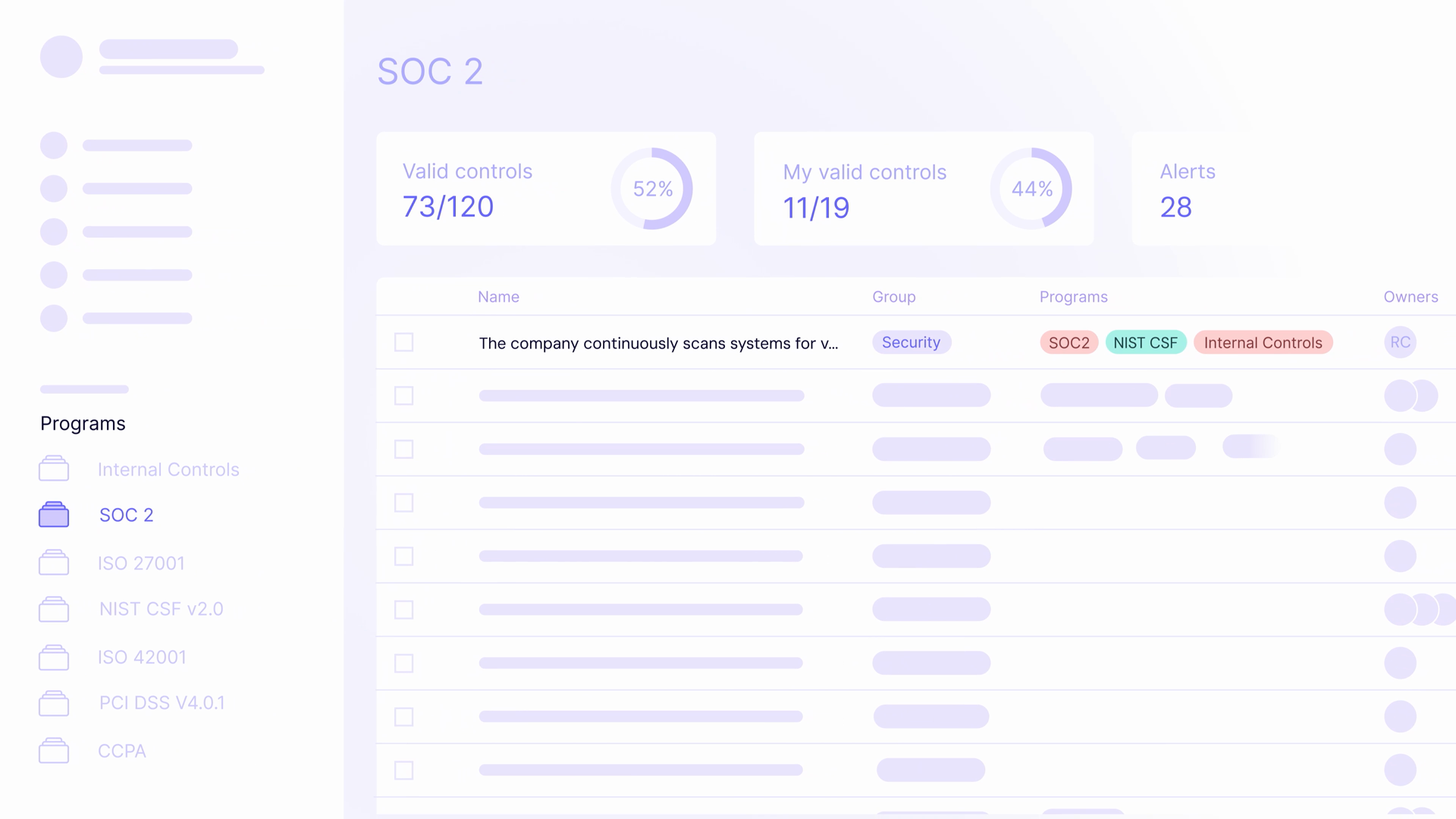
Tell us the frameworks you run and the internal controls you own. They come in cross-mapped, with your custom fields and your past evidence already attached.
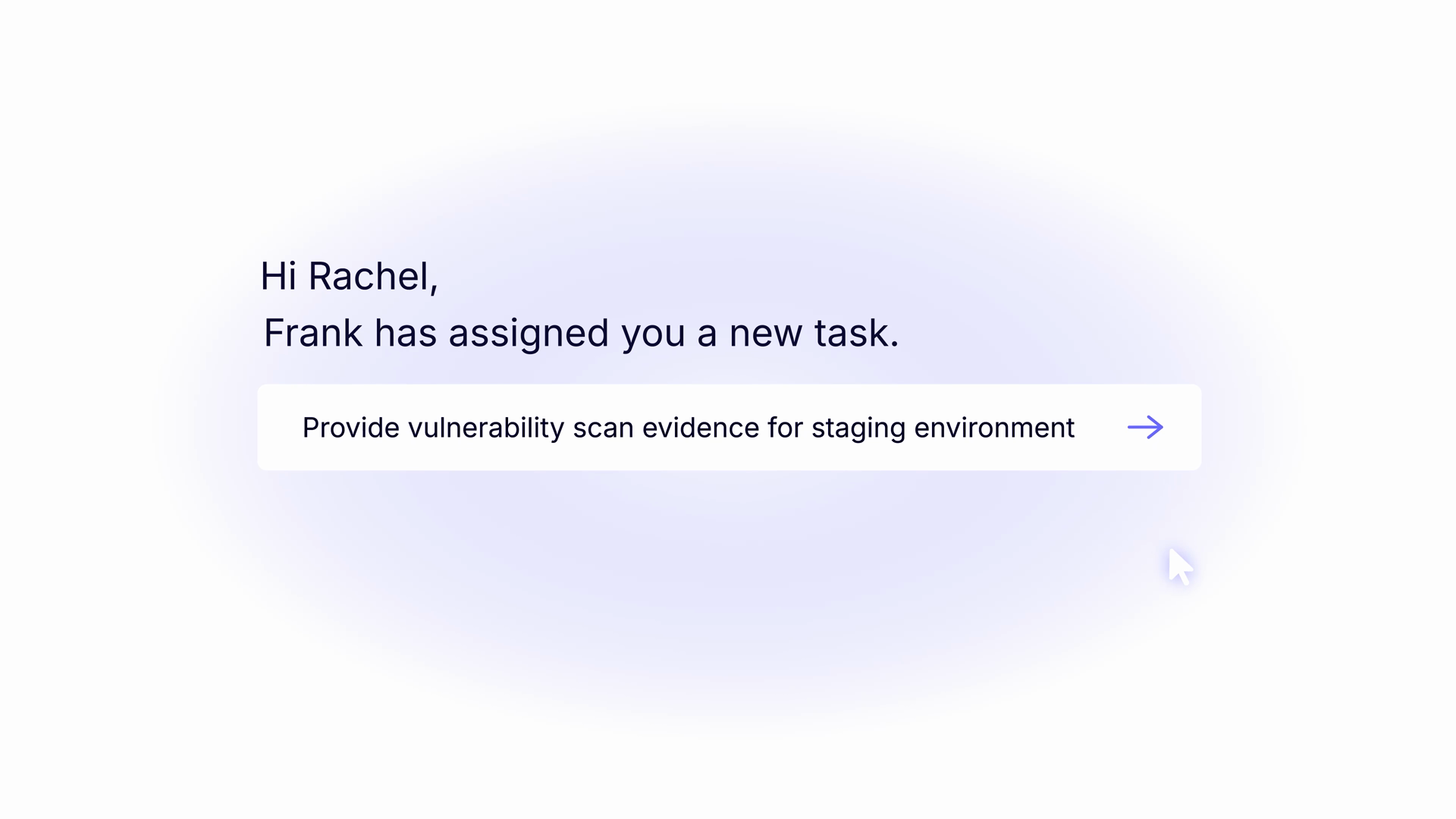
When an AI Agent spots a gap, it opens a remediation action, assigns it to the right owner, and follows up until it’s resolved.
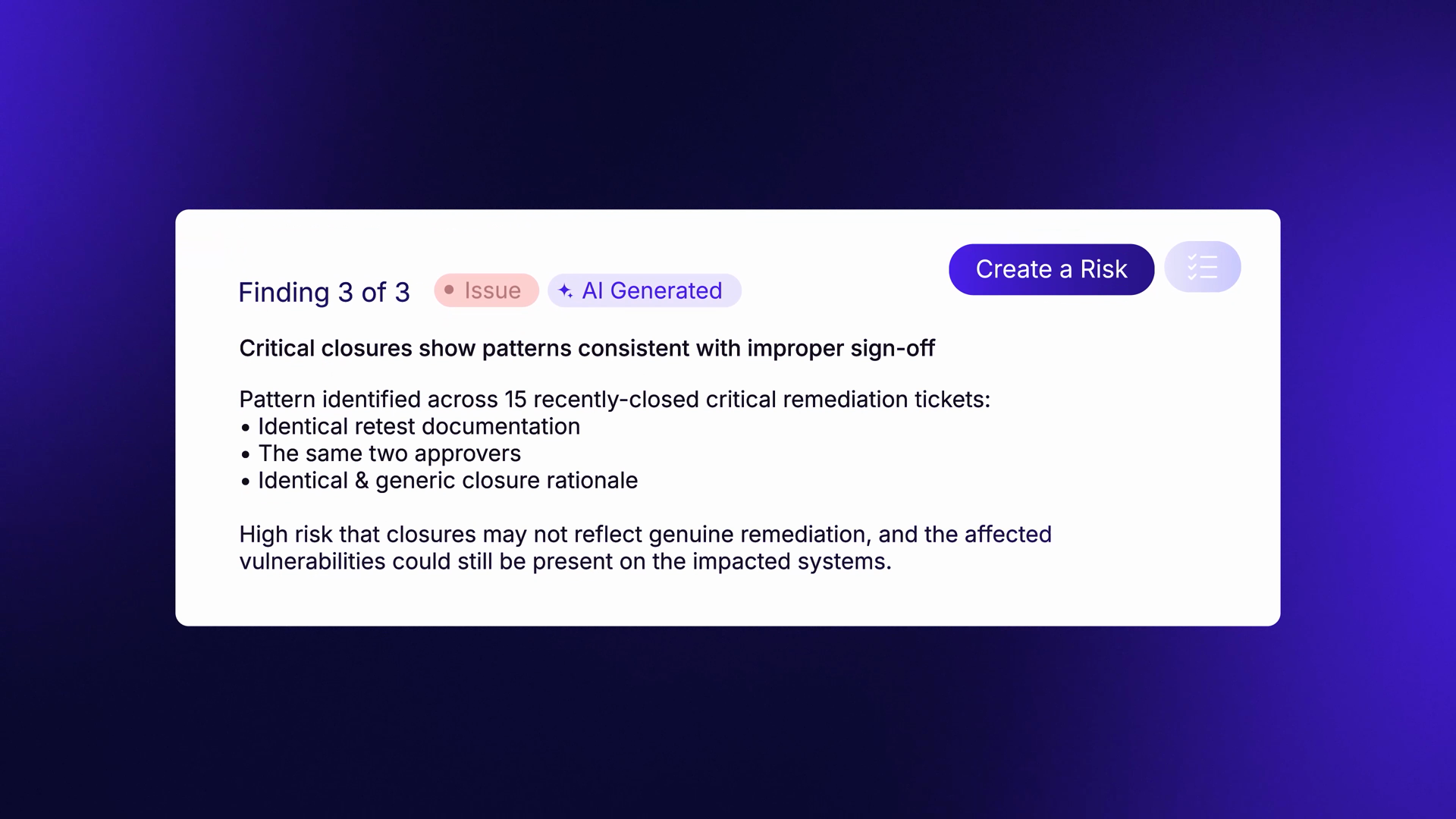
Significant findings can be escalated as risks at the click of a button. Complete, continuous visibility into your compliance health.


